A meal lasts a day.
A skill lasts a lifetime.
What began in the working-class lanes of Lahore became a conviction that changed everything I thought I knew about helping people.
For most of my life, I have lived close to the edges of Lahore that rarely make it into conversations about the city's growth and ambition — the neighborhoods of daily wage laborers, cart sellers, and families for whom $50 a month was not poverty by some abstract measure, but simply life. I grew up watching people of extraordinary resilience get up every morning and pour every ounce of their energy into surviving the day. Not building toward something. Just surviving it.
I tried to help the way most people do. I funded meals. I covered expenses. I gave what I could. And for a moment, it worked — a family ate, a child went to school, a week passed without desperation. But the month would end, and they would be back. Not because they were ungrateful. Not because they didn't try. But because nothing had changed underneath.
That's when I understood that what I was doing wasn't help — it was a temporary pause on a permanent problem.
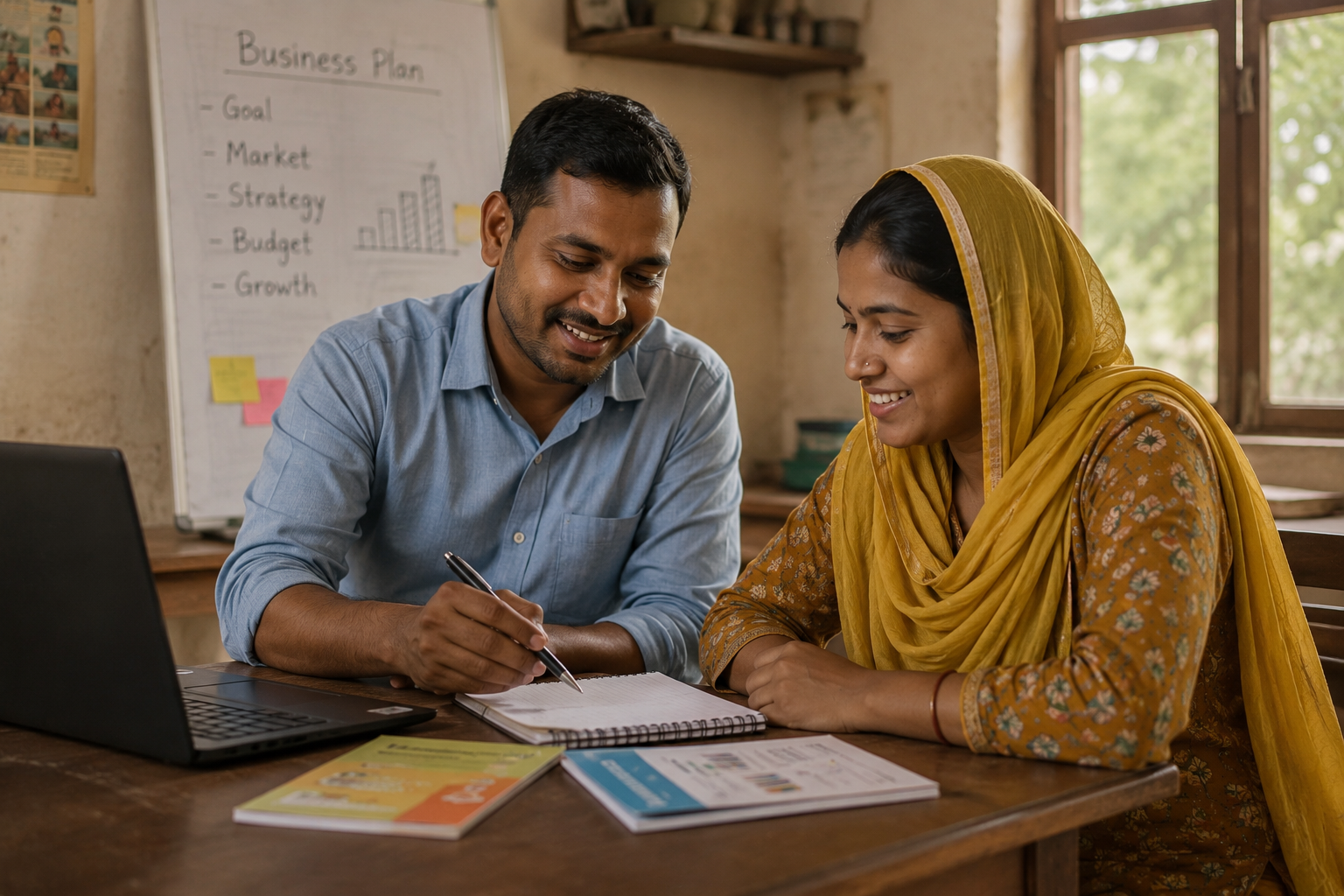
The real question wasn't "how do I feed this family?" It was "why is this family unable to feed itself?" And when I sat with that honestly, the answer wasn't what I expected. It wasn't that opportunity didn't exist in those streets. What I found, again and again, was something invisible — a lack of awareness of what was possible, a fear of risk inherited through generations of scarcity, and a gap in practical knowledge needed to turn existing skills into something sustainable.
People weren't stuck because they lacked ability. They were stuck because no one had ever shown them how to use it.
There is an idea, ancient and universal across many traditions, that giving someone the means to generate their own resources is more powerful than giving them the resources themselves. When support is tied to building rather than receiving, both parties begin thinking about what that support can become. It shifts the mindset from surviving to creating. That shift is everything.
And when someone makes that shift, the impact doesn't stop with them. Lift one person out of dependency, and you quietly change the trajectory of an entire family. Their children grow up watching a parent build rather than wait. That is not one life changed — that is a generation redirected.
Most organizations working in relief do necessary and important work. The world needs them. But we need more organizations working upstream — not catching people after they fall, but building the ground beneath their feet so they don't fall the same way twice.
Uraan — which means flight in Urdu — was built on a simple conviction: that given the right guidance, tools, and belief, every person has the capacity to rise. Not to be lifted by someone else's hands forever. To rise on their own.
That is what we are here to do.